Services Custom web development
Custom web development
Websites and web apps, written in code.
When a site builder stops being enough, I build in code: marketing sites in Astro or Next.js, web apps in React with a Node.js, PHP or Python backend, and the database, API and hosting they need. The repository is in your name from the first commit.
My opinion, after years of building in both: most marketing sites belong in a builder like Webflow, and some projects outgrow it. Knowing which one you have saves money either way. On the first call I’ll tell you which one your project needs, and if Webflow is enough, I’ll recommend Webflow.
When code makes more sense than a site builder
- People log in. Customer portals, dashboards, anything where users manage their own data.
- The data is the product. Search across thousands of records, calculations, configurators, live prices.
- Integrations carry the business. Orders that flow into your ERP, bookings that sync with three systems, webhooks in both directions.
- Speed and SEO at the limit. Pages that must load instantly on bad mobile connections.
- The builder costs more than it gives. Seats, CMS limits and plans that keep growing with the site.
What I build in code
Marketing sites in Astro that ship almost no JavaScript, web apps in Next.js and React, internal dashboards, customer portals, calculators and configurators, and the backend each of them needs: the API, the database, authentication, background jobs, email.
Tape DSP: the web side of a software product
Tape DSP sells audio effect plugins for music producers. Next to the plugins, written in C++, the product has a website and an online mastering tool running in the browser, with a Node.js backend. It is the kind of project where the website, the app and the product have to work as one.
The stack, and why
- TypeScript everywhere it fits, so mistakes show up while writing code and not in production.
- Astro for content: pages are plain HTML unless a part needs to be interactive, which keeps this site fast even on a slow phone connection.
- Next.js and React for apps with a lot of interface.
- Node.js, PHP with Laravel or Python on the server; PostgreSQL by default for data.
- Hosting on Vercel, Cloudflare, AWS or a plain server, chosen for cost and for who maintains it.
Ownership and handoff
You get the repository, a README that explains how to run and deploy the project, automatic deploys from Git, and a recorded walkthrough. If you hire another developer later, they can start the same day.
“His English is fabulous and he was quick to understand the project.”
Related work
Live sites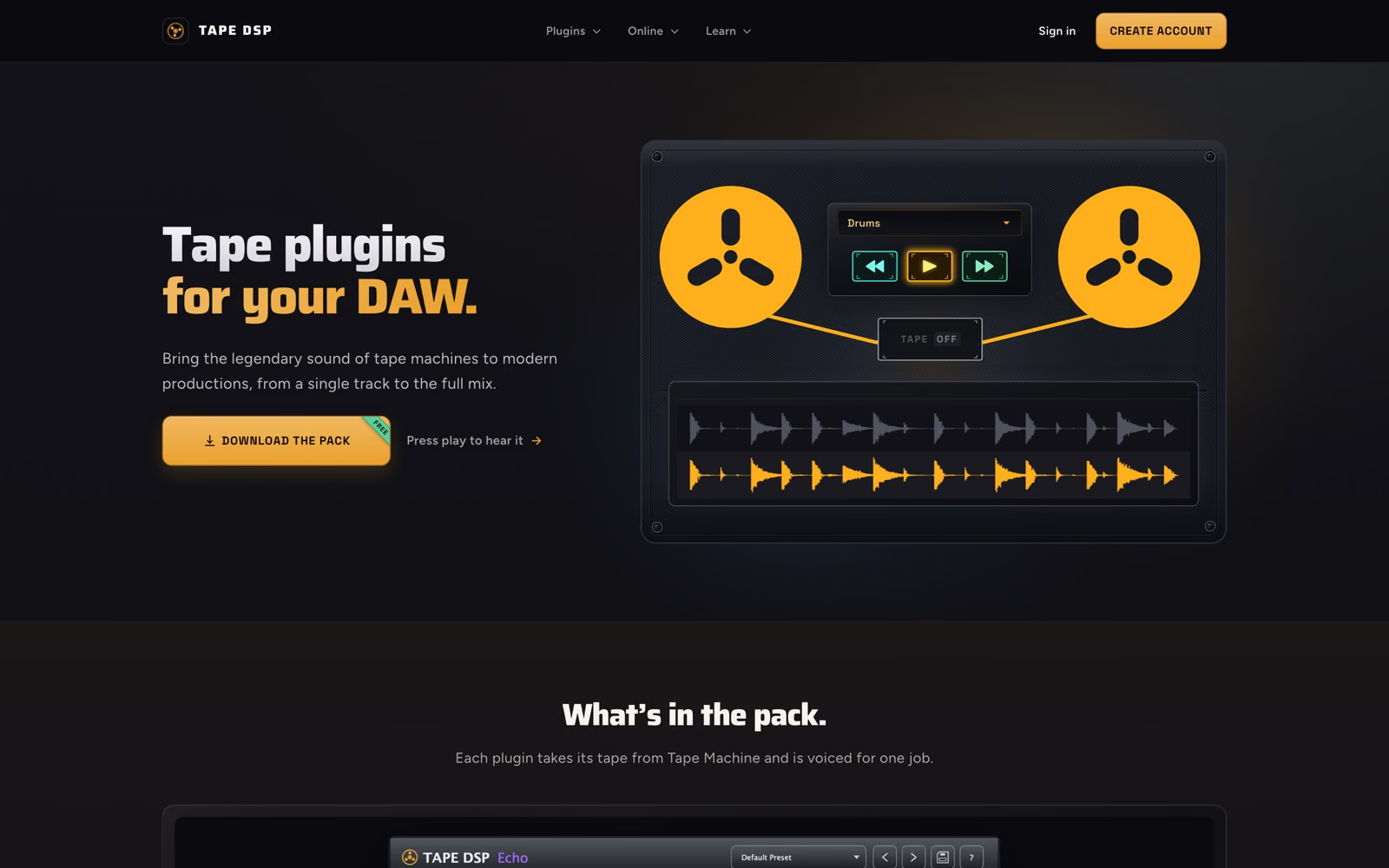
Questions I get asked
Should I build my site in Webflow or in code?
Webflow, if it is a marketing site your team edits often and nobody needs to log in. Code, if it needs user accounts, real data, complex integrations or performance a builder can't reach, or if the builder's monthly costs have outgrown what the site earns.
Which frameworks do you use?
Astro for content sites and Next.js with React for web apps, written in TypeScript. On the server, Node.js, PHP with Laravel or Python, depending on what the project and your team already use, with PostgreSQL, MySQL or MongoDB.
Who owns the code?
You do. The repository, the hosting account and the domain are in your name from the start, and the project is documented so another developer can take it over.
Can you take over a codebase someone else wrote?
Yes. I start with a short review of the code, the dependencies and the deployment, tell you what is risky, and quote fixes apart from new features.
Can my marketing team still edit the content?
Yes. Content sites get a CMS or simple Markdown editing in a web interface, chosen for how often your team publishes and who does it.
Something not answered here? Ask it on the call.
Book a call